
As the event landscape evolves, hybrid events have emerged as the new standard. In 2025, blending in-person and virtual audiences allows brands, educators, and creatives to reach wider audiences, boost engagement, and future-proof their event strategies.
Setting up a studio for hybrid events requires more than just cameras and seating—it demands a careful balance of technology, design, and functionality. Whether you’re transforming your photography studio, event space, or creative venue, this guide covers everything you need to create a professional, seamless hybrid event studio.
What Is a Hybrid Event Studio?
A hybrid event studio is a space designed to accommodate both in-person guests and virtual attendees simultaneously. It merges live production, interactive streaming, and physical event hosting into one cohesive environment.
Key Components of Hybrid Event Studios
- High-speed internet for reliable streaming
- Professional audio-visual equipment for broadcast-quality production
- Flexible seating arrangements for in-person attendees
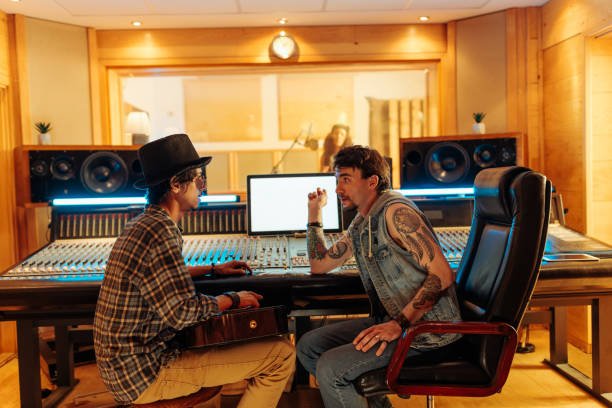
- Dedicated control area for managing live feeds and tech
- Branding and stage design that works for both on-site and virtual viewers
Why Hybrid Events Are Here to Stay in 2025
Hybrid events offer the best of both worlds—face-to-face connections and global digital reach. Here’s why they remain popular:
Broader Audience Access
Virtual components allow attendees from around the world to join, increasing participation and exposure.
Increased ROI
Event organizers can generate higher returns through in-person ticket sales, online registrations, sponsorships, and digital replay packages.
Enhanced Flexibility
Hybrid events accommodate various attendee preferences, including those who prefer virtual attendance for health, convenience, or travel reasons.
Future-Proof Event Strategy
In an unpredictable world, hybrid setups allow events to adapt quickly to changing circumstances.
Essential Steps to Set Up a Studio for Hybrid Events
Start With Studio Layout Planning
Effective layout planning is crucial for hybrid success. Your studio should be able to handle live filming, audience seating, and technical operations without disruption.
Separate Stage and Audience Areas
Designate a central stage or set for speakers, performers, or panels, ensuring clear camera angles and sightlines for virtual attendees.
Position audience seating around the stage, ensuring they don’t obstruct cameras or interfere with production equipment.
Plan for Tech Zones
Create a designated control room or area where technicians can manage sound, lighting, and streaming.
Consider Camera Placement
Strategically place cameras to capture both the stage and audience reactions. Multi-angle filming is ideal for hybrid events.
Invest in High-Speed Internet
A stable, high-speed wired internet connection is non-negotiable for hybrid events.
Recommended Internet Specs:
- Minimum upload speed: 25 Mbps for HD streaming
- Dedicated connection to avoid bandwidth sharing with guests
- Backup connection such as a secondary ISP or bonded cellular system
Choose the Right Audio-Visual Equipment
Hybrid events require a professional AV setup to ensure consistent quality for both in-person and remote audiences.
Cameras
Use high-resolution cameras capable of live streaming, ideally with zoom and pan functionality for dynamic shots.
Microphones
Combine stage microphones for presenters with ambient mics to capture in-person reactions. Wireless lavalier mics are ideal for speaker mobility.
Audio Mixers
Invest in audio mixers to balance levels between in-room sound and streaming output.
Video Switchers
Use video switchers to transition between live feeds, pre-recorded content, and screen shares smoothly.
Design for Hybrid Engagement
Create a visually cohesive environment that resonates across screens and in person.
Lighting Design
Use soft, even lighting on presenters while ensuring the audience area remains visible on camera.
Branded Backdrops
Incorporate physical or digital branding that appears clean and uncluttered for both physical attendees and virtual viewers.
Screen Displays
Install screens to display virtual guests, real-time social media comments, or remote speakers within the physical event space.
Integrate Interactive Tech Tools
Hybrid events thrive on interaction. Incorporate digital tools that bridge the gap between your two audiences.
Live Polling
Encourage engagement through polls that both in-person and virtual attendees can participate in.
Chat and Q&A Features
Allow virtual guests to submit questions, with a moderator relaying them to live speakers.
Virtual Networking Lounges
Offer remote attendees a chance to network via breakout rooms or virtual “tables” during event breaks.
Prioritize Comfort and Accessibility
Make sure your physical setup caters to attendees’ comfort and inclusivity.
Comfortable Seating
Provide ergonomic seating with adequate spacing between guests, considering post-pandemic preferences.
Accessibility Features
Ensure physical and digital accessibility by offering wheelchair access, live captions, and multi-language options.
Rest Areas and Amenities
Create designated spaces for attendees to recharge, check emails, or relax between sessions.
Test, Rehearse, and Troubleshoot
Technical issues can derail a hybrid event. Rigorous pre-event testing is essential.
Test Internet Stability
Conduct speed tests on your primary and backup connections under load conditions.
Run Full Dress Rehearsals
Simulate the entire event with presenters, audience members, and virtual participants to identify weak points.
Prepare Backup Plans
Keep extra cables, power sources, and backup devices on hand for quick problem-solving.
Bonus Tips for Seamless Hybrid Events
Use a Professional Streaming Platform
Choose a platform that supports live streaming with high reliability, customizable branding, and real-time engagement tools.
Hire Experienced Hybrid Event Technicians
Even with great gear, skilled technicians are key to a smooth production. Look for AV specialists with hybrid-specific experience.
Offer Post-Event Content Access
Record the event and provide digital access to replays for those who missed the live stream or wish to rewatch.
Final Thoughts
Setting up a studio for hybrid events in 2025 requires thoughtful integration of design, technology, and audience experience. By creating a flexible space that accommodates both physical and virtual guests, you can unlock new revenue streams, build lasting community connections, and position your venue as a future-ready creative hub.
Whether you’re launching a small creative workshop or hosting a large-scale corporate summit, hybrid-ready studios offer unmatched flexibility and long-term value.